


The UAE Winter Skin Paradox: Why Mild Weather Creates Maximum Confusion
UAE winter presents a unique skincare challenge that differs dramatically from traditional cold climates. While temperatures hover between 15-24°C, your skin experiences more stress than consistent cold weather locations. The constant transition between cool outdoor mornings, warm afternoons, and climate-controlled indoor spaces creates what dermatologists call "temperature shock syndrome." Your skin barrier struggles to adapt to these rapid environmental shifts, leading to dehydration despite mild conditions. UV radiation remains elevated with an index of 6-7, yet humidity drops to 30-40%, creating a deceptive environment where your skin needs more protection than you realize. This paradox explains why many residents experience unexpected dryness, flaking, and sensitivity during what should be comfortable months. Understanding this unique climate pattern is essential for developing an effective winter skincare strategy that addresses UAE-specific environmental stressors rather than following generic cold-weather advice.
Reading Your Skin's Signals: The 4 Trigger Points for Routine Adjustment
The Morning Tightness Test
Your skin reveals its hydration status within the first ten minutes after cleansing. When your face feels tight, stretched, or uncomfortable shortly after washing, your lipid barrier requires immediate support. This sensation indicates compromised ceramide levels caused by low humidity exposure and air conditioning. Add a hydrating toner layer immediately rather than waiting for complete routine overhaul. Products containing hyaluronic acid, beta-glucan, or glycerin work as humectants to attract moisture.
The Midday Oil-But-Flaky Phenomenon
Experiencing simultaneous oiliness in your T-zone while noticing flaky patches on cheeks signals "compensatory sebum production." Your skin overproduces oil attempting to compensate for underlying dehydration, creating this confusing dual condition. This occurs when air conditioning depletes surface moisture while your sebaceous glands work overtime. Layer lightweight hydrating serums instead of using harsh mattifying products that strip natural oils and worsen the cycle.
The Foundation Settlement Pattern
When makeup begins clinging to dry patches that weren't visible in October, your routine needs adjustment. This texture change results from increased indoor AC exposure as offices lower temperatures during winter months. The solution involves creating a "hydration sandwich" before makeup application: apply toner, let absorb, add lightweight serum, wait sixty seconds, then apply moisturizer with SPF. This layering technique ensures proper moisture retention throughout your day.
The UAE Winter Layering Method: Modified K-Beauty Hydration System
Layer 1: Water-Based Humectants
Apply watery toners containing hyaluronic acid and beta-glucan within sixty seconds of cleansing to maximize absorption. UAE's fluctuating 30-60% humidity requires two to three thin layers rather than Korea's traditional seven-layer method. The drier air means your skin cannot pull as much environmental moisture, making immediate application critical. Pat gently between layers, allowing thirty seconds for each to penetrate before adding the next.
Layer 2: Lightweight Emollients
Propolis serums and ceramide essences create the perfect middle layer for UAE winter conditions. Propolis offers barrier repair properties while providing antibacterial benefits important during humid rain days. These emollients smooth your skin surface and prepare it for moisture sealing without the heaviness that triggers breakouts in climate-controlled environments. Apply using patting motions rather than rubbing to retain more moisture in low-humidity air.
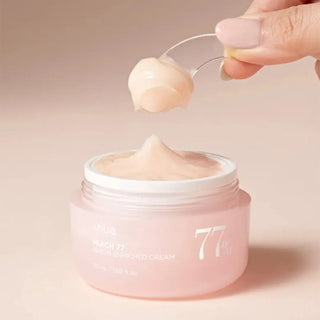
ANUA Daily Glow Skincare Set designed to purify, deeply hydrate, and balance your skin barrier.

Layer 3: Strategic Occlusives
Night routines benefit from richer sleeping masks containing squalane and shea butter, while mornings require lightweight gel-creams with broad-spectrum SPF 50+. This differentiation addresses the reality that UV radiation remains high during UAE winter months. Skip heavy occlusives if you spend twenty hours daily in air conditioning, as they trap heat and cause congestion. Instead, opt for gel-cream hybrids that seal moisture without blocking pores.
The Indoor-Outdoor Transition Strategy: Managing Temperature Shock
Morning Outdoor Protocol (15-20°C, Low Humidity)
Apply a light occlusive layer plus SPF before leaving home to protect against cold outdoor air that cracks your lipid barrier. Choose gel-cream hybrid textures that provide protection without feeling heavy by mid-morning when temperatures rise. This proactive approach prevents the dehydration cascade that begins the moment you step outside into dry winter air.
Daytime AC Protocol (21-23°C, Ultra-Low Humidity)
Keep a facial mist containing sodium hyaluronate at your desk for reapplication every three to four hours. Sodium hyaluronate's smaller molecular structure penetrates better than standard hyaluronic acid in ultra-low humidity environments. Traditional water-only mists actually increase dehydration through evaporative moisture loss, making humectant-rich formulations essential for AC exposure management throughout your workday.
Evening Outdoor Protocol (18-22°C, Higher Humidity)
Remove SPF and accumulated pollution with an oil-based cleanser during your post-commute ritual. Evening humidity combined with residual sunscreen creates the perfect environment for clogged pores and breakouts. Follow with a hydrating gel cleanser for second cleanse, avoiding stripping foam formulations that over-cleanse winter-stressed skin.
hydrating toners & serums for dehydration

The Ingredient Rotation Matrix: Decision Framework for Winter Adjustments
Replace salicylic acid with lactic acid when experiencing flaking around your nose and mouth areas. Lactic acid provides gentler exfoliation while simultaneously hydrating skin, addressing both concerns with one product switch. Reduce application frequency from twice weekly to once weekly during winter months.
Swap foaming cleansers for oil-based first cleanse followed by gentle gel second cleanse when experiencing post-wash redness. This double cleansing method preserves your lipid barrier while effectively removing impurities and SPF residue. Oil cleansers dissolve sunscreen and sebum without harsh surfactants that strip protective oils.
Transition from vitamin C fifteen percent to niacinamide five percent if your serum causes stinging sensations. Niacinamide provides comparable brightening benefits with significantly less irritation, making it ideal for barrier-compromised winter skin. This gentler alternative maintains your treatment goals without damaging your protective barrier.
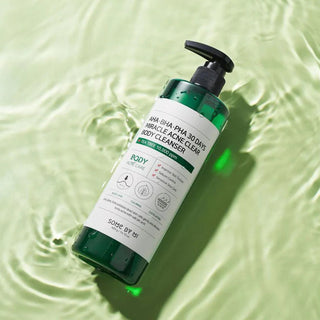
SOME BY MI AHA BHA PHA 30 Days Starter Kit to gently exfoliate and hydrate winter-stressed skin.
The 72-Hour Routine Transition Protocol: Safe Adjustment Process
Days 1-2: Addition Phase
Introduce one hydrating layer without removing existing products from your routine. Add either a hydrating toner or serum and monitor how your skin responds. Watch for signs that your skin drinks up the hydration versus feeling congested or developing closed comedones.
Days 3-4: Substitution Phase
Swap your lightest product first, typically your cleanser or morning moisturizer, while maintaining your evening routine identically. This gradual approach prevents shocking your skin with sudden formula changes. Assess whether morning tightness has reduced before proceeding.
Days 5-7: Completion Phase
Adjust remaining products and introduce your richer night cream last in the transition sequence. Monitor for consistent twenty-four-hour comfort across all temperature zones you encounter daily. If experiencing any irritation, return to day three and slow your transition pace. This methodical approach identifies which specific product may be causing adverse reactions.
Beyond Face: The Forgotten Winter Zones
Hands: Managing AC and Sanitizer Damage
Constant hand sanitizing combined with keyboard work in air-conditioned offices creates cracked knuckles and dry cuticles. Apply Korean hand sleeping packs after every wash rather than waiting until bedtime. These intensive treatments contain higher concentrations of occlusive ingredients than regular hand creams.
Lips: Protecting Against Wind and AC Exposure
Layer a hydrating lip balm underneath an occlusive seal containing lanolin and shea butter. Wind exposure during morning commutes from parking lots combined with indoor AC creates chapping within hours. Reapply the occlusive layer every two hours to maintain protection.
Neck and Décolletage: Extending Your Routine
Apply your complete face routine down to your collarbone since this thinner skin dehydrates faster than facial skin. Many residents continue wearing V-necks during winter, forgetting this exposed area still faces UV damage. Use richer neck-specific creams that address the decreased sebaceous gland density in this region.
What NOT to Do: Debunking UAE Winter Skincare Myths
Myth: Winter Doesn't Need SPF Adjustments
UV Index dropping from ten to six or seven still requires broad-spectrum SPF 50+ protection daily. What changes is texture rather than protection level—you can use creamier SPF formulations since ultra-matte finishes aren't necessary in cooler weather. Maintain vigilant sun protection throughout winter months to prevent cumulative UV damage.
Myth: Switch Everything to Winter Versions
Your skin type determines necessary adjustments more than seasonal changes in UAE's mild winter. Oily skin may only require serum adjustments, while dry skin needs complete routine overhaul. Assess your individual response rather than automatically purchasing heavier versions of every product.
Myth: Stop All Exfoliation in Winter
Air conditioned environments actually increase dead cell buildup despite cooler outdoor temperatures. Reduce exfoliation frequency from three times to once weekly and switch from physical scrubs to chemical exfoliants. Lactic acid and enzyme peels provide gentle cell turnover without mechanical abrasion that damages winter-compromised barriers.
Building Your MystiGlam Winter Routine: Product Application Strategy
Morning Routine Framework
Start with oil cleanser only if you applied SPF overnight or used sleeping masks. Follow with two layers of hydrating toner, allowing thirty seconds between applications. Apply lightweight serum containing niacinamide or propolis, then seal with gel-cream moisturizer. Finish with broad spectrum SPF 50+ that includes hydrating ingredients like hyaluronic acid.
Evening Routine Framework
Remove SPF and environmental pollutants with thorough oil cleansing, then perform a second cleanse with gentle gel formula. Layer three applications of hydrating toner, waiting between each. Apply treatment serums focused on ceramides or peptides for barrier repair. Seal everything with richer night cream or sleeping mask formulation designed for intensive overnight hydration.
Weekly Intensive T![]() reatm
reatm![]() ents
ents
Incorporate hydrating sheet masks two to three times weekly rather than purifying treatments during winter months. Perform gentle exfoliation once weekly using lactic acid or enzyme peel formulations. Add barrier repair sleeping packs containing ceramide complexes once weekly to strengthen your protective lipid barrier against environmental stressors.

Tracking Your Progress: The 2-Week Checkpoint System
After seven days, expect elimination of morning tightness and smoother makeup application as immediate improvements. Slightly increased oiliness is normal while your skin relearns proper hydration balance after summer's stripped state. New breakouts or increased redness signals products too heavy or incompatible with your skin chemistry.
At fourteen days, you should experience consistent comfort across different environments, reduced flaking, and improved overall texture. Normal fluctuations occur between low-humidity days and rainy days with higher moisture levels. Persistent irritation indicates your routine needs simplification: remove the most recently added product and assess for three days.
If improving, maintain your current routine without changes. If the results plateau, add one additional hydrating layer and monitor for another week. If conditions worsen, remove your newest product and return to the previous routine that was working effectively.
Preparing for Spring: Forward-Looking Winter Strategy
Begin reducing occlusive layers in late January and early February as you approach seasonal transition periods. Slowly reintroduce lighter exfoliation to prepare for spring cell turnover acceleration when temperatures and humidity increase. Start incorporating antioxidant serums containing vitamin C or ferulic acid to protect against increasing UV radiation.
UAE seasons shift rapidly with humidity jumping suddenly in March, making proactive adjustment essential for preventing spring skin chaos. This forward-thinking approach establishes skincare success beyond winter months while positioning proper routines for each unique season the UAE experiences throughout the year.
Ready to build your perfect UAE winter routine? Explore MystiGlam's curated collection of Korean skincare products in Dubai climate challenges. From lightweight hydrating toners to barrier repairing sleeping masks, find everything you need to keep your skin balanced and comfortable throughout cooler months.


