


Evidence-based guide · Not medical advice
Quick answer: PDRN (polydeoxyribonucleotide), a salmon-derived DNA fragment, has solid clinical evidence as an injectable for wound healing and skin rejuvenation. Topical cosmetic PDRN, the serums and creams you can actually buy, has far weaker proof, because these large DNA molecules struggle to cross intact skin. It's a promising, well-tolerated ingredient, not a miracle in a bottle. Here's what the science honestly shows, whether it's halal, and which products are worth your money in the GCC.
What is PDRN and where does it come from?
PDRN stands for polydeoxyribonucleotide, a mixture of DNA fragments, usually extracted from the sperm cells (milt) of salmon or trout. The fish source isn't a gimmick: salmon DNA is remarkably close to human DNA at the molecular level, which makes it biocompatible and low-risk once purified. During manufacturing, the raw material is filtered and sterilized to strip out proteins and other cellular debris, leaving behind purified fragments of nucleic acid.
The ingredient has a longer medical history than most shoppers realise. Polydeoxyribonucleotides were approved by the Italian Medicines Agency back in 1994 to treat superficial wounds, skin ulcers, and connective-tissue disorders, and have since gained attention as regenerative biomaterials with a growing evidence base for facial skin health.
PDRN vs polynucleotide (PN):
People use these terms almost interchangeably, and they overlap heavily — both are nucleic-acid polymers built on a DNA backbone. The distinction is mostly one of fragment length and how the material is prepared. In practice, injectable "skin boosters" like Rejuran are often described as PN, while topical cosmetics are usually labelled PDRN — or listed on ingredient decks as sodium DNA or hydrolyzed DNA. If you see those INCI names, that's your PDRN.
What is PDRN made of, exactly?
Just the four familiar DNA building blocks — adenine, guanine, cytosine, and thymine — arranged in fragments typically ranging from around 50 to 1,500 base pairs. That structure is essentially universal across living things, which is why newer plant-based PDRN alternatives (derived from sources like peony or ginseng) are emerging as vegan options: the nucleotides behave similarly regardless of origin.
How PDRN is supposed to work
The proposed mechanism is genuinely interesting and reasonably well characterised in lab and injectable studies. PDRN works mainly by activating the adenosine A2A receptor on your cells, along with a secondary "salvage pathway" that recycles nucleotides your cells can reuse to build new DNA.
Through those routes, PDRN is reported to:
-
Stimulate fibroblasts: the dermal cells that manufacture collagen and elastin — encouraging them to proliferate and produce more structural protein.
-
Promote angiogenesis: the formation of new blood vessels — partly by upregulating VEGF (vascular endothelial growth factor), which supports tissue repair.
-
Calm inflammation by modulating inflammatory signalling molecules, which is why it's studied for post-procedure recovery and healing.
-
Support DNA repair and reduce oxidative stress, with lab research suggesting it may help protect skin cells against UV- and free-radical-induced ageing.
Put simply, PDRN doesn't bleach, exfoliate, or resurface. It's a signalling and repair ingredient, think of it as the recovery specialist in a routine, distinct from retinol (the renovator) or vitamin C (the daytime protector). That's the theory. The crucial question is whether a cream can deliver enough of it to the right depth to trigger any of this.
Topical vs injectable: what the evidence actually shows
This is the heart of the honesty problem in PDRN marketing, and where you should focus your skepticism. The strong evidence is almost entirely for injectable PDRN. Topical PDRN is plausible but under-proven, and the two are constantly conflated in ads and TikToks.
Here's the core issue, and it's a matter of basic skin physics:
-
The stratum corneum — your skin's outermost layer — blocks the vast majority of large molecules. The widely cited "500 Dalton rule" holds that molecules much heavier than ~500 Da generally can't passively diffuse through intact skin.
-
PDRN fragments are enormous by that standard — orders of magnitude above the 500 Da ceiling. So on intact skin, very little active PDRN reaches the dermis where the A2A receptors it needs to activate actually live.
-
Injectables sidestep this entirely by depositing PDRN directly into the dermis. That's why the healing and rejuvenation data is so much stronger for the needle than the bottle.
This doesn't mean topical PDRN does nothing. "Can't fully penetrate" is not the same as "useless." Smaller fragments may partially penetrate; some products use nano-encapsulation, liposomes, or penetration enhancers to improve delivery; and PDRN sitting at the surface still contributes hydration and barrier support. But brands claiming a serum delivers injection-equivalent results are overclaiming, and dermatologists' skepticism here is well founded, not misinformation.
Topical PDRN (serums, creams) |
Injectable PDRN / PN (e.g. Rejuran-type) |
|
|
Evidence strength |
Limited; large RCTs sparse; much data is lab/animal or manufacturer-run |
Decades of clinical use; multiple trials for wound healing & rejuvenation |
|
Penetration |
Poor on intact skin (molecule far exceeds ~500 Da limit) |
Delivered straight into the dermis — bypasses the barrier |
|
Realistic result |
Subtle: hydration, barrier support, gradual glow with consistent use |
More pronounced firmness, texture and elasticity changes |
|
Where you get it |
Buy over the counter; use at home |
Licensed clinic / medical procedure |
|
Regulatory status |
Sold as a cosmetic (no medical claims permitted) |
Prescription/medical in many markets; not FDA-approved for cosmetic injection in the US |
|
Cost |
Low — serum prices |
High — per-session clinic fees |
What the evidence shows, in order of confidence:
(1) Injectable PDRN has robust support for wound healing and tissue repair.
(2) Injectable PDRN has growing, credible evidence for skin rejuvenation and elasticity.
(3) Topical PDRN is generally safe and can hydrate and support the barrier.
(4) Topical PDRN matching injectable anti-ageing results is not established, treat that claim with caution and verify the newest studies before relying on it.
Is PDRN halal?
For GCC shoppers this is often the deciding question, and the encouraging news is that most scholarly opinion lands on permissible with caveats worth understanding.

Fish is generally halal, and fish products don't require the ritual slaughter that land animals do, so a salmon or trout source is not inherently problematic. Beyond that, Islamic scholars have specifically addressed PDRN. One detailed ruling notes that polynucleotides extracted from fish are considered halal and pure precisely because the purification isolates DNA fragments with no impure material remaining, invoking the principle of istihala (chemical transformation), which can change the ruling of an original substance, alongside considerations of widespread industrial use.
So where's the catch? Halal auditors point to the processing and the finished product, not the fish itself:
-
Extraction agents: Solvents and chemicals are used to break open cells and separate the DNA. If any processing aid or alcohol raises purity (najis) concerns, that becomes a critical control point for certification.
-
Manufacturing facility: The ingredients and the production line must be verified free from cross-contamination with impure substances.
-
Certification is product-specific: As of 2026, popular injectable brands (Rejuran, for example) generally do not carry a national halal certificate like JAKIM's, and a clinic calling a treatment "halal-approved" is not the same as an official product certificate.
Practical takeaway: the salmon origin is fine, and the mainstream scholarly view is permissive. But if certification matters to you, don't assume — ask the brand in writing to confirm the PDRN source and processing, and look for a finished-product halal certificate rather than a general claim. Transparent brands will answer; that responsiveness itself tells you something. If you want to avoid the question entirely, plant-derived (vegan) PDRN sidesteps both the animal-source and processing concerns.
(This is general information on the scholarly discussion, not a fatwa. For a binding ruling, consult a qualified scholar.)
PDRN products available in the GCC
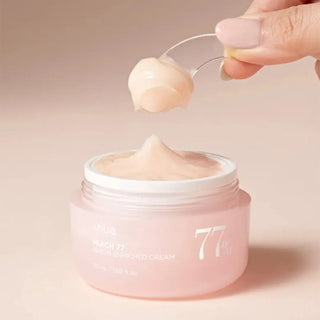
The good news for Gulf shoppers: topical PDRN is widely stocked, and you don't need a clinic appointment. K-beauty leads the category, with Medicube and Anua the most visible lines. Below are PDRN products available in the UAE and across the GCC with realistic notes on what each is actually for.
A sensible way to fit these in: PDRN pairs well with hydration and barrier support, so it slots neatly alongside the actives that pair well in a Gulf routine like niacinamide and vitamin C. If you're building around K-beauty, Medicube's advanced serums are the easiest entry point.
|
Product |
Type |
Best for |
Notes |
|
Serum |
Dry, dehydrated skin in AC environments |
100 ppm PDRN + multi-weight hyaluronic acid; lightweight, good starter serum |
|
|
Toner |
Prepping skin, daily hydration |
PDRN + 7 peptides + niacinamide; gentle enough for sensitive skin |
|
|
Concentrated serum |
Firmness & elasticity focus |
Higher-concentration formula with collagen + exosome tech |
|
|
Mist-serum |
On-the-go glow, layering |
3-in-1 toner/serum/mist; convenient but lighter treatment |
|
|
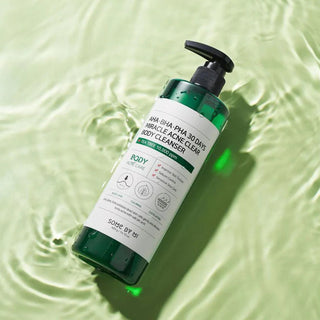
Cleanser |
Brightening cleanse |
PDRN in a rinse-off product does little for repair — buy it for the cleanse, not the PDRN |
|
|
Full routine + device |
Committed users wanting a system |
Pairs serums with an absorption-boosting device — the most sensible way to improve topical delivery at home |
|
|
Lip balm |
Dry, chapped lips |
Hydrating and glossy; treat PDRN benefit as a bonus |
One honest note on choosing: high PDRN ppm on a label does not guarantee quality — purity and fragment profile matter more than a big number, and a rinse-off product will always underdeliver versus a leave-on serum. If you're serious about delivery, a serum plus a home absorption device beats a cleanser every time.
Realistic Expectations and Who Should Skip It
Timeline: Because topical PDRN works subtly and gradually, don't expect overnight change. Most brands and users cite visible improvements in hydration and skin quality over roughly 2–4 weeks of consistent, twice-daily use, with firmness benefits (if any) building over longer periods. It's a marathon ingredient, not a sprint.
What it realistically does: better hydration, a calmer barrier, a gradual glow, and useful post-procedure or post-sun soothing. What it realistically won't do from a bottle: replicate injectable results, erase deep wrinkles, or dramatically remodel collagen. Set expectations at "supportive," not "transformative."
Who should be cautious:
-
Pregnancy and breastfeeding. There's little safety data on PDRN in pregnancy. It's not flagged as high-risk, but with thin evidence the sensible move is to pause and check with your doctor first.
-
Fish allergy. Purification removes most allergenic proteins, but anyone with a severe fish allergy should patch-test and consult an allergist before use.
-
Very reactive skin. PDRN itself is well tolerated, but finished formulas may contain fragrance or colourants (the "pink" lines especially) that can irritate — patch-test first.
PDRN also fits comfortably into a broader regimen; for the layering logic, see fitting a regenerative serum into a Gulf routine. Skip PDRN if you're looking for a single hero anti-ageing active, your money goes further on a proven retinoid or vitamin C, with PDRN as a supportive add-on rather than the centrepiece.
FAQ
Is PDRN the same as polynucleotide?
They're close cousins, not identical. Both are DNA-based polymers built on the same backbone; the difference is largely fragment length and preparation. In common usage, "PN" tends to describe injectable skin boosters (like Rejuran) and "PDRN" the topical cosmetic form, but the terms overlap and are often used interchangeably.
Does topical PDRN really work?
Partly. It reliably hydrates and supports the skin barrier, and may offer mild gradual benefits. But because PDRN molecules are far too large to easily cross intact skin, topical products can't match injectable results, and large clinical trials on topicals are still sparse. Expect subtle support, not dramatic change.
Is PDRN halal?
Generally yes. Fish is halal, and mainstream scholarly opinion treats purified fish-derived PDRN as permissible under the principle of istihala. The caveats are processing solvents/alcohol and finished-product certification — so if certification matters to you, confirm the source and processing with the brand and look for an official halal certificate.
Is PDRN safe in pregnancy?
There isn't enough safety data to say definitively. It isn't classed as high-risk, but with limited evidence the cautious approach is to pause use during pregnancy and breastfeeding and check with your doctor.
How long until PDRN results?
For topicals, expect gradual changes. Hydration and skin-quality improvements are commonly reported within about 2–4 weeks of consistent twice-daily use; firmness benefits, if they appear, take longer. Consistency matters more than concentration.
PDRN vs retinol or peptides, which should I use?
They do different jobs. Retinol drives cell turnover and is a proven anti-ageing workhorse; peptides signal for collagen; PDRN is a repair-and-recovery ingredient. PDRN plays well with others and rarely irritates, so it's best as a complement to a retinoid or vitamin C rather than a replacement.
Sources include peer-reviewed reviews indexed on PubMed and dermatology journals, plus published scholarly rulings on fish-derived ingredients. Product availability and formulations change, verify current details and halal certification with the retailer before purchase. This article is informational and not a substitute for medical advice.
Author
Sara Al-Mansoori
I am a skincare content strategist and writer with over nine years of experience creating evidence-based beauty guides for Gulf and MENA audiences. I hold a certificate in Skincare Cosmetic and specialize in K-beauty adaptation for hot, arid, and AC-heavy climates. My work is grounded in dermatological research, ingredient science, and the real-world experience of maintaining a healthy skin barrier through a UAE summer.


