


Some Korean skincare is halal but almost none of it is certified. That distinction matters more than most listicles will tell you. Korean cosmetics can be halal when they avoid porcine derivatives, ethanol-based alcohol, and disputed animal-origin ingredients and ideally carry a recognised halal certification. Without that certification or at minimum a rigorous ingredient-level check, a product sits in an ambiguous space no beauty editor can resolve for you.
This guide gives you the tools to resolve it yourself: a four-tier classification framework, an eight-ingredient red-flag checklist, a brand-by-brand status table, and a plain explanation of which certification marks actually carry weight in Saudi Arabia, the UAE, and the wider GCC.
Halal vs Vegan vs Cruelty-Free: Why They Are Not the Same
This is the confusion that costs Muslim shoppers the most time and peace of mind. A product can tick all three boxes halal, vegan, cruelty-free, or it can tick one and fail the others entirely. They measure different things.
1- Vegan: means no animal-derived ingredients and no animal by-products. It says nothing about alcohol content, processing methods, or cross-contamination. A face serum can be 100 % vegan and still contain alcohol denat (denatured ethanol) at concentrations that many Islamic scholars consider impermissible.
2- Cruelty-free: means no animal testing. It has no bearing on ingredient composition whatsoever. A product certified cruelty-free by PETA or Leaping Bunny can contain porcine collagen or carmine and remain fully compliant with those standards.
3- Halal: from the Arabic for "permissible" governs what a Muslim may use or consume under Islamic law. For cosmetics, it requires the absence of najis (impure) substances, which include anything derived from pigs, blood, carnivorous animals not slaughtered according to Islamic rite, and certain intoxicants. It also encompasses mashbooh, literally "doubtful"ingredients whose origin or processing is unclear enough to warrant caution.
The practical consequence: when a K-beauty brand says "vegan formula," that tells you there is no beeswax or snail mucin. It tells you nothing about the glycerin source, whether the ethanol carrier is plant- or petrochemical-derived, or whether the collagen in their glass-skin serum is marine or porcine. You have to look deeper.
The 4-Tier Halal Framework for K-Beauty
Rather than a binary halal/not-halal judgment, a four-tier framework reflects the real spectrum of K-beauty products available to GCC shoppers in 2026. Use it to triage your routine quickly.
|
Tier |
Classification |
What It Means |
|
✅ Tier 1 |
Halal Certified |
Independently audited and certified by a recognised halal body (e.g., MUI Indonesia, JAKIM Malaysia, Korea Muslim Federation) |
|
🟢 Tier 2 |
Halal-by-Default |
No haram ingredients detected in the INCI list; vegan or cruelty-free formulas free from alcohol denat and porcine content — but no formal audit conducted |
|
🟡 Tier 3 |
Debated / Mashbooh |
Contains an ingredient with contested halal status — most commonly alcohol denat or undisclosed "fragrance" (parfum) — where scholarly opinion differs |
|
🔴 Tier 4 |
Haram |
Contains confirmed porcine collagen, lard, carmine, human placenta, or alcohol in concentrations classified as intoxicating |
Tier-1 Certified Halal
A product has been audited by a recognised halal certification body, its full supply chain has been reviewed, and a certificate with an expiry date has been issued. This is the only tier that removes ambiguity entirely.
Certification bodies relevant to the GCC include JAKIM (Malaysia, issues the MS 2200 standard widely accepted in Gulf markets), MUI (Indonesia), IFANCA (USA/global), and domestic GCC marks discussed in the certification section below. When you see one of these logos on packaging, look for the certificate number and verify it on the body's public registry — logos can be copied.
Very few Korean brands have pursued formal halal certification for cosmetics. Those that have tend to be mid-size brands targeting Southeast Asian Muslim markets who have then expanded to the Gulf. Their certified SKUs are often a subset of the full range, so check at SKU level, not brand level.
Tier-2 Halal-by-Default
No animal-derived actives, no ethanol. The product is formulated entirely from mineral, plant, or synthetic ingredients whose halal status is unambiguous. Common examples include water-based toners with niacinamide, hyaluronic acid serums using plant-derived or synthetic HA, mineral SPFs, and vitamin C products where the carrier is a water/glycol base with clearly plant-sourced glycerin.
This tier requires your own ingredient review. The absence of certification does not make a product haram — it makes it unverified. A straightforward formula with INCI names you can trace is a reasonable basis for use, particularly when a brand responds to halal enquiries with documentation of ingredient origin.
Tip: brands that supply to Korean domestic pharmacies (often labelled 약국 / yakguk) tend to use simpler, well-documented ingredient lists. This is not a halal guarantee, but it correlates with transparency.
Tier-3 Disputed (Mashbooh)
Two ingredients create genuine scholarly disagreement and deserve a dedicated tier.
Alcohol denat (denatured ethanol): Some Hanafi scholars permit external use of synthetic or non-grape-derived alcohol in cosmetics at low concentrations that do not cause intoxication; other scholars and Shafi'i/Maliki positions consider it impermissible regardless of source. There is no single ruling that binds all Muslims. Products like some COSRX essences and many K-beauty toners use alcohol denat as a solubiliser. You should apply your own madhhab's guidance here, and note that the debate is live, avoid dismissing either position.
Carmine (CI 75470): Derived from the cochineal insect. Most Hanafi scholars consider insects other than locusts impermissible; some contemporary scholars permit carmine as a transformed substance (istihalah). It appears in lip products and some colour-correcting bases. Check the INCI list for carmine, CI 75470, or cochineal extract.
Tier-4 Contains Prohibited Ingredients (Haram)
No ambiguity. Products in this tier contain porcine-derived collagen or gelatin, lard (shemen chazir), or blood-derived ingredients. In K-beauty, porcine collagen appears in certain intensive moisturising masks and anti-ageing creams where it is marketed as a superior skin-barrier repair agent. The INCI name is typically Sus Scrofa (pig) collagen, hydrolyzed porcine collagen, or porcine placenta extract.
Haram status applies to the specific SKU, not the brand. A brand can sit in Tier 1 for its toner and Tier 4 for its collagen cream.
Ingredient Verification Checklist: The 8 Red-Flag INCI Names
Scan the full INCI ingredient list, not the front-of-pack marketing copy, for these eight entries before you buy.
1. Hydrolyzed Collagen / Collagen Source matters entirely. Marine collagen (fish, typically Gadus morhua or tilapia) is generally permissible; bovine collagen from halal-slaughtered cattle is permissible; porcine collagen is not. When the label says only "hydrolyzed collagen," contact the brand for the species source. A non-reply is itself informative.
2. Gelatin Used in some peel-off masks and jelly textures. Almost always porcine unless explicitly stated otherwise. Look for Sus Scrofa or simply "gelatin."
3. Glycerin (Glycerol) One of the most common skincare ingredients and one of the most ambiguous. Plant-derived glycerin (from palm or soy) and synthetic glycerin are halal; animal tallow-derived glycerin is not. Korean brands increasingly use plant glycerin, but documentation is required.
4. Stearic Acid / Sodium Stearate An emulsifier that can be plant-derived (palm, shea) or animal-derived (tallow). Same ambiguity, same documentation requirement.
5. Lanolin Derived from wool grease, a sheep by-product. Permissibility is debated: many scholars consider it halal as it does not require slaughter; others class it as mashbooh due to processing concerns. If you follow a cautious position, flag it.
6. Carmine / CI 75470 / Cochineal Extract Insect-derived red pigment. Appears most often in BB creams, cushion foundations, lip tints, and blushes. See the Tier 3 discussion above.
7. Keratin Protein derived from hair, hooves, or feathers — usually bovine or poultry. Slaughter status and species are rarely disclosed. Common in hair-care crossovers (scalp serums, multi-use treatment lines).
8. Alcohol Denat / Ethanol / SD Alcohol Ubiquitous in K-beauty as a texture enhancer and solubiliser. Source (grain, sugar cane, petroleum) and concentration matter for the scholarly debate. If your madhhab considers it impermissible, decline products where it appears in the first ten INCI positions (indicating significant concentration).
Bonus flag: Placenta Extract Some Korean anti-ageing serums use porcine placenta (Sus Scrofa placenta) for EGF-like growth factor activity. It is explicitly porcine and therefore haram. Human placenta-derived ingredients (rarely used but occasionally appearing in older luxury formulas) are also impermissible.
Certification Bodies That Matter in the GCC
Not all halal logos are equal. In 2026, the regulatory landscape for cosmetics in Saudi Arabia and the UAE distinguishes between mandatory product notification and voluntary halal certification. Understanding both protects you.
SFDA (Saudi Food and Drug Authority) The SFDA mandates that all cosmetic products sold in Saudi Arabia be notified through its system before market entry. This is a safety and labelling check, it does not constitute halal certification. A product can hold a valid SFDA notification number and still contain porcine-derived ingredients. When Saudi retailers claim a product is "SFDA approved," they mean it is legally notified, not that it is halal-verified. Visit sfda.gov.sa and use the product enquiry portal to confirm notification status.
GSO (Gulf Standardization Organization) The GSO's halal cosmetics standard covers GCC member states. Compliant products carry a GSO halal mark and must meet compositional requirements consistent with Islamic law. This standard is recognised across Saudi Arabia, UAE, Kuwait, Bahrain, Qatar, and Oman. Look for the GSO mark and verify the certificate number against the issuing body's registry.
MOIAT/ESMA (UAE) The UAE's Ministry of Industry and Advanced Technology (formerly ESMA) issues the UAE.S 2055 halal standard for cosmetics. The Emirates Conformity Assessment Scheme (ECAS) and accredited certification bodies issue the UAE halal mark. A product bearing this mark has been assessed against UAE national halal standards and is the strongest single verification signal for UAE shoppers.
JAKIM (Malaysia) Malaysia's Department of Islamic Development issues certification under MS 2200, the national halal cosmetics standard. JAKIM certification is widely recognised in GCC markets and is the most common certification you will find on Korean products that have pursued formal halal status, as Korea's Muslim beauty market has historically been cultivated through Malaysia and Indonesia first.
Practical note: certification is SKU-specific and has an expiry date. A brand that was certified in 2022 for a particular serum may not have renewed, or may have reformulated. Always check the certificate date and the specific product listed on the certificate.
Brand-by-Brand Halal Status Table
The table below reflects publicly available information, brand responses to direct ingredient enquiries, and retailer disclosures as of June 2026. Status can change with reformulation or new certification. Verify at SKU level before purchasing.
|
Brand |
Overall Status |
Notes |
Action Required |
|
Verify |
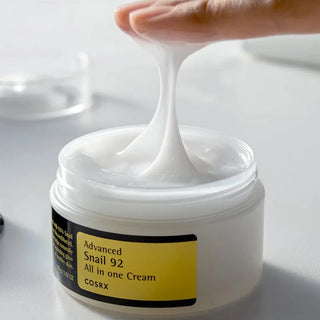
No brand-level halal certification. Snail Mucin range is halal-debated (snail itself is mashbooh in Hanafi fiqh; permissible under other schools). Alcohol denat appears in several essences. Glycerin sourced from plant-based suppliers per email response received — but no certification issued. |
Check individual SKU INCI. Avoid alcohol-denat items if your position requires it. |
|
|
Verify |
No halal certification. Relief Sun and Glow Deep Serum are frequently cited as halal-friendly by Muslim beauty communities due to clean INCI lists. However, some relief cream variants list ingredients that require origin confirmation. No porcine ingredients found in current formulations reviewed. |
Cross-reference INCI list per SKU. Email brand for glycerin origin documentation. |
|
|
Verify |
No halal certification. Heartleaf line uses predominantly plant-derived actives. No animal-origin red flags in reviewed SKUs. Glycerin origin not publicly documented. |
Request ingredient origin sheet from brand or retailer. |
|
|
Verify |
No halal certification. Age-R device and serum range popular in GCC. Several serums contain collagen — brand states marine origin (fish collagen) in written responses but no halal certificate covers this claim. |
Confirm fish collagen documentation in writing before purchase.See our full breakdown of Medicube's ingredients and routine for comparison. |
|
|
Verify |
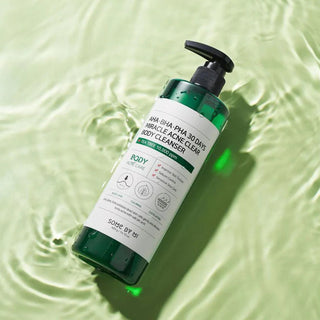
No halal certification. AHA-BHA-PHA 30 Days Miracle Toner contains alcohol denat. Snail truecica range: see snail debate above. Some By Mi has indicated it is exploring halal certification for GCC markets, no certificate issued as of June 2026. |
Avoid the AHA toner if alcohol denat is your concern. Review other SKUs individually. |
|
|
Likely |
No formal certification, but the brand has published detailed ingredient origin documentation in response to Muslim consumer enquiries. Hyaluronic Acid Watery Sun Gel and Hyaluronic Acid Toner widely used in halal beauty communities. No animal actives or alcohol denat in reviewed SKUs. |
Low-risk; still confirm glycerin origin via brand contact. |
|
|
Likely |
No halal certification. Detailed, minimal INCI lists with plant-derived activities. Dear Klairs Supple Preparation Toner (alcohol-free version) widely accepted. Avoid the original toner version which contains alcohol. |
Specify "unscented/alcohol-free" variant. |
|
|
Likely |
No halal certification. Minimalist formulations; Centella Unscented Sunscreen and Defence Barrier Serum have no flagged INCI names. Brand has been responsive to ingredient origin enquiries in community forums. |
Low-risk; confirm glycerin sourcing. |
|
|
Contains flagged ingredient |
Water Sleeping Mask and some lip masks contain porcine collagen in select formulations. Check current INCI carefully — formulations vary by market and year. |
Avoid collagen-containing SKUs unless porcine-free formulation is confirmed in writing. |
|
|
Likely |
No alcohol denat in Centella Ampoule; Zinc Oxide SPF — clean formula; no porcine detected |
Madagascar Centella Ampoule; Centella Hyalu-Cica Water-Fit Sun Serum |
|
|
Verify |
Part of the Amorepacific group. Cicapair range is plant-focused but larger range contains collagen and ceramide blends requiring origin confirmation. No halal certification. |
Review SKU-by-SKU. Cicapair Tiger Grass Serum is relatively clean. |
|
|
Likely |
GCC-market brand formulated with Muslim consumers in mind. No porcine or alcohol-denat actives in reviewed product range. Plant-derived glycerin documented. No formal halal certification issued as of June 2026, but ingredient transparency is notably stronger than most K-beauty brands. |
Low-risk; confirm certification status directly with brand for latest update. |
|
|
Verify |
Not a Korean brand, but widely used alongside K-beauty routines in the GCC. No halal certification. Formulations are largely synthetic and plant-derived, making many SKUs low-risk — however, select products contain alcohol denat (e.g. peeling solutions) and some peptide serums use animal-derived carriers. |
Review per SKU. Niacinamide 10% + Zinc 1% and HA 2% + B5 are widely considered clean. Avoid Glycolic Acid 7% Toning Solution if alcohol denat is a concern. |
🟢 Likely = no red-flag INCI names found; ingredient origin documented or brand transparent; no halal certificate issued.
⚠️ Verify = requires direct confirmation before purchase.
🔴 Contains flagged ingredient = confirmed or likely impermissible ingredient present in reviewed formulation.
Note: "likely" is not a fatwa. It is an assessment based on available ingredient data. Your personal due diligence and your scholar's guidance take precedence.
How to Shop Halal K-Beauty in the Gulf
Armed with the framework and the checklist, here is a practical purchase flow for GCC shoppers.
Step 1: Read the INCI list before you read the marketing copy. In Saudi Arabia and the UAE, imported cosmetics must carry an Arabic-language label or sticker with the full ingredient list. If the sticker is missing, ask the retailer, it is an SFDA/MOIAT compliance requirement, not optional. Use an INCI decoder app (CosDNA, INCI Decoder, or Yuka) to flag unfamiliar ingredient names.
Step 2: Email the brand before you buy. This is standard practice among halal-conscious beauty shoppers and takes less than five minutes. A simple message: "Can you confirm the animal or plant origin of the collagen and glycerin in [product name, batch code]? Do you hold any halal certification for this product?" I sent this exact query to a major K-beauty distributor last year and received a PDF ingredient origin declaration within 48 hours. It is not unusual to get a useful response and a non-reply tells you something too.
Step 3: Prioritise certified products where available. For sunscreens which you wear daily at high volumes in Gulf climates, it is worth spending the extra time to find a JAKIM- or GSO-certified option. For the K-beauty essentials Saudi women rely on, our curated list flags certification status per product.
Step 4: Know your madhhab's position on the disputed ingredients. Alcohol denat and carmine will remain unresolved at brand level. Your scholar's position on these, not beauty blogs, is your reference point. Both debates are live; neither side is fringe.
Step 5: Keep certificates. When a retailer provides a halal certificate, save a photo. Formulations change; the certificate date tells you which version of the product was assessed. If you are recommending products to friends or family, sharing the documentation is a kindness.
When building a halal-verified routine for Gulf conditions, high UV, humidity, and heat, focus on antioxidant ingredients that fit a Gulf routine as your active base. Many of the most effective, niacinamide, ascorbic acid, bakuchiol, centella asiatica, sit cleanly in Tier 2 with straightforward INCI profiles.
Frequently Asked Questions
Does vegan mean halal?
No. Vegan means no animal-derived ingredients. Halal means permissible under Islamic law. A vegan product can contain alcohol denat (impermissible under many scholarly positions) and would still meet vegan standards. Conversely, honey or beeswax makes a product non-vegan but is generally considered halal. The two standards do not overlap in any reliable way.
Is alcohol denat haram in skincare?
There is genuine scholarly disagreement. Most Hanafi scholars permit synthetic or non-grape-derived alcohol in external cosmetic use when it does not cause intoxication; Shafi'i and Maliki positions tend to be more restrictive. The answer depends on which school of thought you follow and, in some cases, the concentration and source of the alcohol. Consult your scholar rather than relying on a beauty guide for a ruling.
Is collagen in K-beauty from pork?
It depends on the product. Collagen in Korean skincare comes from three main sources: porcine (pig), bovine (cow), and marine (typically fish). Porcine collagen is haram. Bovine collagen is halal if from properly slaughtered cattle. Marine collagen is generally permissible. When an INCI list says only "hydrolyzed collagen," contact the brand for species confirmation before using the product.
Is carmine halal?
This is genuinely disputed. Carmine (CI 75470) is derived from the cochineal insect. Most Hanafi scholars consider it impermissible because insects other than locusts are classified as impure; some contemporary scholars apply the principle of istihalah (complete transformation) and consider it permissible. There is no consensus ruling. Apply your own madhhab's position.
Are COSRX and Beauty of Joseon halal?
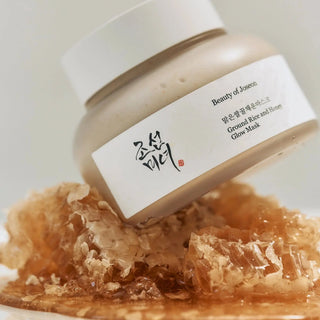
Neither brand holds halal certification as of June 2026. Both are commonly discussed in Muslim beauty communities as having relatively clean formulations but "clean" is not "certified." COSRX's snail mucin products involve an ingredient (snail secretion) that is itself debated in Hanafi fiqh. Beauty of Joseon's best-known products have no obvious red-flag INCI names, but glycerin origin requires confirmation. Use the four-tier framework and verify at SKU level.
Does SFDA certify halal cosmetics?
No. The SFDA (Saudi Food and Drug Authority) certifies cosmetics for safety and enforces labelling and notification requirements. SFDA notification is mandatory for any cosmetic sold in Saudi Arabia but is not a halal certification. For halal certification in Saudi Arabia, look for marks issued by accredited bodies under the Saudi Standards, Metrology and Quality Organization (SASO) framework, or internationally recognised marks such as JAKIM and GSO.
How do I verify a product is halal?
Check the INCI list against the eight red-flag ingredients above. Email the brand for ingredient origin documentation on any ambiguous entries (collagen, glycerin, stearic acid). Look for a halal certificate number from JAKIM, MUI, IFANCA, GSO, or UAE.S 2055-compliant bodies, and verify it on the issuing body's public registry. Apply your own madhhab's ruling to disputed ingredients (alcohol denat, carmine). When in doubt, choose a product with a simpler, more documented formula or one that has achieved formal certification.
A Note on This Guide
We are a reseller in the UAE. We have a commercial interest in some of the brands mentioned. Our goal here is accurate information, not upselling but you should know that context. We do not issue fatwas and we do not speak for any school of Islamic jurisprudence. Where scholars disagree, we have said so. Where ingredients are ambiguous, we have said so. Verify certificates yourself, and update your knowledge when brands reformulate.
Last reviewed: June 2026. Author has three years of experience in halal beauty retail and has conducted direct ingredient enquiries with the brands listed above.


